Sponsored article
How to Match the Right Prize Game Format to Different Traffic Zones in a Family Entertainment Center
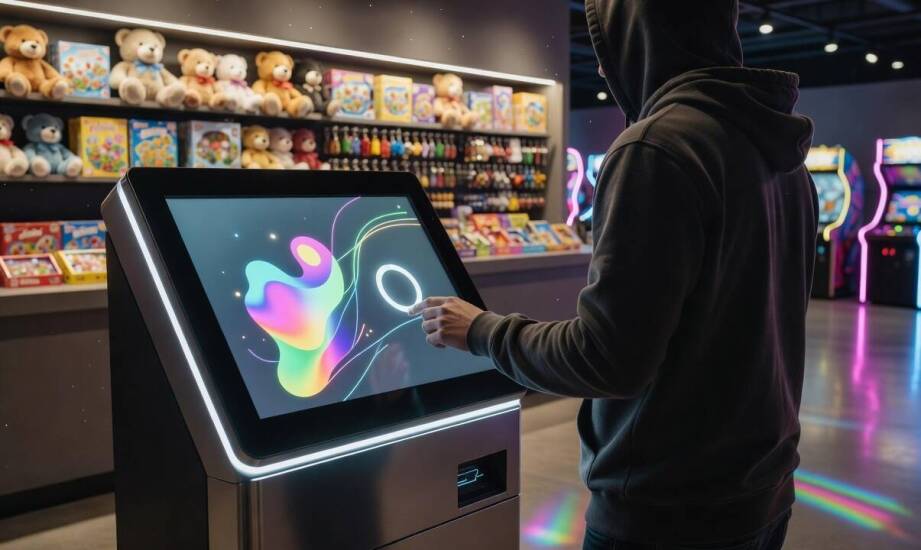
Managing space in a modern family entertainment centre is much like designing an efficient traffic flow system. The same entertainment machine can attract attention at the entrance, engage entire families in quieter areas of the venue, and encourage impulse play just before guests leave. The success of an arcade investment depends largely on matching each game format to its physical location.
Visitor traffic, ambient noise levels, and the expectations of specific customer groups all influence whether a particular zone achieves its full revenue potential. Understanding these spatial dynamics allows operators to guide visitors naturally through the venue. A visible prize area positioned near the entrance can strengthen the desire to participate and create the perfect showcase for well-presented game machines.
Matching Machines to Traffic Flow and Noise Levels
The speed at which guests move through a venue directly affects the type of game that performs best in a given location. In high-traffic areas, typically located near entrances and along main walkways, games with short play cycles usually generate the strongest results.
Short gameplay sessions attract passing guests and create a faster player turnover at each machine.
In quieter family zones where visitor movement is slower, games with longer engagement times often perform better. This helps prevent congestion in major walkways while encouraging guests to spend more time inside the facility.
Operators frequently rely on proven layout strategies. One common example is placing multiplayer air hockey tables deeper inside the venue, where longer and more physically engaging matches do not disrupt traffic flow while helping increase overall dwell time.
Noise levels are equally important. Machines equipped with intensive audio effects may become less effective if placed too close to relaxation areas, cafés, or attractions aimed at very young children.
In quieter areas, lower-volume games with clear visual instructions help create a more comfortable and family-friendly atmosphere.
Age segmentation is another critical factor. Attractions designed for younger children often require lower control panels and reduced sound intensity. Teen-orientated areas, by contrast, can successfully incorporate stronger audiovisual effects that match the expectations of that audience.
The duration of a single game session also affects daily throughput. Formats built around thirty-second experiences often perform exceptionally well during peak periods near entrances, increasing the number of plays per hour. During quieter periods, those same games should offer sufficient visual appeal to encourage repeat participation.
Reward Mechanics and Operational Considerations
Different game formats influence player behaviour in different ways and require distinct operational approaches. Ticket redemption games, crane machines, and video redemption attractions each create unique engagement patterns.
Traditional redemption machines are based on long-term ticket collection and the later exchange of accumulated points for prizes at a dedicated redemption counter.
This delayed reward mechanism encourages repeat visits and motivates players to continue collecting points toward a desired prize.
Classic crane machines work differently by offering the possibility of an immediate reward. The feeling of almost winning often encourages players to try again after narrowly missing a prize.
This perception of being close to success frequently drives impulse replays within very short periods of time.
Video redemption games combine skill-based gameplay with electronic displays, making the rules easy to understand even for first-time players.
The integration of specific game types into the venue's overall ticket ecosystem also affects operational efficiency. Traditional ticket-producing machines can generate large volumes of tickets during peak hours, requiring efficient counting and redemption procedures.
Experience from Family Entertainment Centers shows that placing direct-prize crane machines near the outer areas of the venue can reduce pressure on the central prize counter. Players receive rewards directly from the machine, helping alleviate queues at redemption stations.
Operators should also consider the ongoing evolution of payment and reward systems. While paper tickets still provide children with a tangible sense of achievement, many modern venues are transitioning to card-based systems.
Digital ticket balances linked to player accounts help reduce issues associated with paper ticket dispensers and improve operational efficiency.
Service accessibility is equally important. Machines positioned within wide aisles should allow easy maintenance access, while internal components should withstand intensive daily use without frequent breakdowns or prolonged downtime.
Layout Logistics and Long-Term Equipment Planning
Selecting the right arcade format should be based on the spatial layout of the venue rather than solely on the popularity of a particular game.
Analysing guest movement patterns across individual zones helps eliminate bottlenecks and maximise available floor space. Flexible grouping of attractions encourages visitors to move naturally between experiences with different pacing and engagement levels, increasing overall visit duration.
A modular approach to venue design also makes it easier to reconfigure the floor layout in response to changing visitor demographics or seasonal trends. Regular equipment rotation helps prevent visual fatigue and ensures returning guests discover something new during each visit.
When creating functional entertainment environments, operators rely on durable equipment and efficient prize redemption systems. Magic Play develops ticket redemption solutions and provides technical support for amusement operators across Europe.
Reliable access to spare parts and professional technical support helps maintain smooth operations regardless of the traffic volume generated by different areas of a family entertainment centre.
You might be interested

What to consider when choosing a grain silo?

How Does the Whistleblower Protection Law in Poland Protect Employees?

Modern printing techniques in the production of cardboard stands