Sponsored article
How Does the Shape of a Breakfast Plate Affect Order and Comfort at the Table?
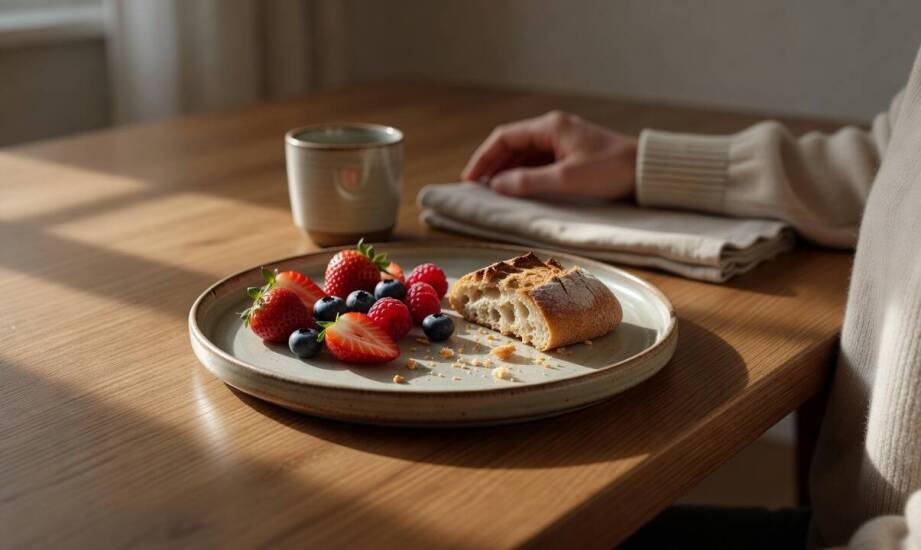
- What Is the Difference Between a Flat Plate and One With a Raised Rim?
- Does Stoneware Make a Plate More Stable?
- Can a Thicker Ceramic Plate Keep Food Warm for Longer?
- How Does Glazing Protect the Decoration?
- Why Does a Smooth Glaze Make Breakfast Plates Easier to Clean?
- How Does Plate Shape Influence Everyday Serving?
- How Does the Rim Help Keep the Table Tidy?
- How Do Breakfast Plates Fit Into a Larger Tableware Collection?
- Why Does Polish Pottery Work Well for Mix-and-Match Table Settings?
- Does a Raised Rim Make a Plate More Durable?
- Are Bolesławiec Plates Suitable for Everyday Kitchen Use?
- When Should You Choose a Flat Plate and When a Raised Rim?
- FAQ
The shape of a plate influences more than its appearance. Small differences in profile can determine how easily food stays in place, how comfortable the plate is to use and how tidy the table remains during an everyday meal.
Read more: How Polish pottery keep food warm?
A completely flat plate works well for toast, pastries or cheese. A plate with a gently raised rim offers more control when breakfast includes tomatoes, eggs, fruit, spreads or other foods that release moisture.
The choice between the two therefore depends not only on style, but also on what is usually served.
What Is the Difference Between a Flat Plate and One With a Raised Rim?
A relatively flat breakfast plate provides a broad, open surface that is convenient for dry foods such as:
toast;
croissants;
cheese;
pancakes;
sliced fruit.
Its simple profile also makes cutting and arranging food easy.
A gently raised rim adds a practical boundary around the eating surface.
This becomes useful with foods that contain more moisture.
Juice from sliced tomatoes, fruit, soft cheese or eggs is more likely to remain on the plate rather than reach the tablecloth.
The same applies to crumbs, seeds and other small ingredients.
A raised edge does not turn a breakfast plate into a bowl, but it gives loose and moist foods a little more containment during everyday meals.
For this reason, plate shape can have a noticeable effect on how much cleaning is needed after breakfast.
Does Stoneware Make a Plate More Stable?
Bolesławiec tableware is made from stoneware clay and fired at high temperatures.
Compared with very thin ceramic tableware, many stoneware plates have a substantial feel in the hand and on the table.
This can contribute to a sense of stability during cutting or when using cutlery, although the exact weight depends on the individual design.
High-temperature firing also gives stoneware the hardness and durability associated with traditional Bolesławiec ceramics.
Bunzlau Manufaktura states that its plates are fired at high temperatures and designed for regular everyday use.
The material is therefore not intended only for decorative table settings.
It is made to handle breakfasts, lunches and dinners as part of normal household routines.
Can a Thicker Ceramic Plate Keep Food Warm for Longer?
A more substantial ceramic plate has greater thermal mass than an extremely thin one.
Once warmed, it may therefore lose heat more gradually.
This can be useful when serving warm breakfasts such as:
omelettes;
pancakes;
scrambled eggs;
warm toast;
breakfast casseroles.
However, heat retention depends on more than the material alone.
Plate thickness, food temperature and room conditions all influence the result.
For everyday use, the practical advantage of stoneware is therefore best understood as a combination of a solid feel, durability and thermal stability rather than as a guarantee that food will remain hot for a specific period.
How Does Glazing Protect the Decoration?
Traditional Bolesławiec pottery is known for its cobalt and multicoloured motifs applied by hand.
At Bunzlau Manufaktura, pieces are decorated after their first firing, then covered with transparent glaze and fired again at approximately 1250°C.
This process places the decoration beneath the finished glazed surface.
The glaze helps protect the pattern during normal use and creates the smooth, glossy finish associated with Bolesławiec tableware.
Bunzlau Manufaktura describes its plates as resistant to:
stains;
scratches;
fading;
everyday wear.
This does not make the surface impossible to damage, but it does make the pottery suitable for regular use rather than only occasional display.
Why Does a Smooth Glaze Make Breakfast Plates Easier to Clean?
Breakfast often involves ingredients that can leave visible residue:
fruit juice;
tomato;
jam;
egg;
butter;
spreads.
A smooth glazed surface makes it more difficult for these residues to penetrate the ceramic body itself.
Instead, they remain on the finished surface and can normally be removed during routine washing.
This is one of the practical advantages of glazed stoneware.
The plate can retain a decorative, handmade appearance while still being easy to use and clean every day.
Bunzlau Manufaktura also states that its plates are dishwasher-safe, which makes them suitable for modern kitchens.
How Does Plate Shape Influence Everyday Serving?
Different breakfasts benefit from different plate profiles.
A flatter plate offers a larger uninterrupted surface and works particularly well for:
sandwiches;
toast;
cheese;
pastries;
pancakes.
A plate with a more clearly defined edge can be more convenient for:
fried eggs;
cottage cheese;
fruit salads;
foods served with sauce;
ingredients that easily roll or scatter.
Neither design is universally better.
The practical question is whether the user prefers maximum flat serving space or slightly greater control over food near the edge.
How Does the Rim Help Keep the Table Tidy?
The raised rim acts as a simple physical boundary.
When food is cut or pushed with a fork, small crumbs and pieces are less likely to slide directly from the plate.
This can be particularly useful with crusty bread, seeds or granola.
The same applies to liquids released from fresh ingredients.
A slightly curved edge can help keep those juices within the serving area rather than allowing them to reach the table surface immediately.
For households where breakfast is quick and informal, such a small difference in plate design can make the meal easier to manage.
How Do Breakfast Plates Fit Into a Larger Tableware Collection?
When building a tableware set, shape and decoration both matter.
Smaller breakfast plates can be combined with dinner plates, bowls, mugs and serving dishes in related patterns.
Bolesławiec collections do not need to be completely identical to look coherent.
Traditional stamped motifs, recurring colours and similar ceramic forms allow different pieces to work together visually.
This makes it possible to build a collection gradually rather than buying a complete matching service at once.
A breakfast plate can therefore become one element of a larger arrangement that develops over time.
Why Does Polish Pottery Work Well for Mix-and-Match Table Settings?
One of the characteristic qualities of polish pottery is that different patterns can often be combined without making the table look random.
Cobalt blue, floral motifs, dots and traditional stamps provide visual links between pieces.
Because the decoration is applied by hand, individual vessels can also show small differences while still belonging to the same collection.
This makes Bolesławiec pottery particularly suitable for informal table settings where variety is part of the design.
A smaller breakfast plate can be paired with a patterned bowl or mug without every piece needing to carry exactly the same motif.
Does a Raised Rim Make a Plate More Durable?
Not necessarily.
Durability depends on the stoneware, firing, glaze, plate geometry and the way the piece is handled.
A rounded profile may influence how the plate feels in use, but it should not be treated as automatic protection against chipping.
Ceramic edges can still be damaged if they strike hard surfaces or other dishes.
The practical benefit of the rim is therefore primarily related to serving and food control rather than guaranteed mechanical protection.
Are Bolesławiec Plates Suitable for Everyday Kitchen Use?
Yes.
Bunzlau Manufaktura describes its ceramic plates as suitable for everyday use and safe for both the dishwasher and microwave.
This is important because the value of a breakfast plate lies in how easily it can become part of an everyday routine.
Traditional craftsmanship does not mean the product has to be treated as fragile decorative ware.
The hand-applied decoration, glazed surface and high-temperature firing allow the pottery to combine a distinctive appearance with practical kitchen use.
When Should You Choose a Flat Plate and When a Raised Rim?
The choice should follow eating habits rather than one universal rule.
Choose a flatter plate when the meal mainly consists of:
toast;
pastries;
dry snacks;
sandwiches.
Consider a plate with a more defined rim when breakfast regularly includes:
tomatoes;
eggs;
fruit;
spreads;
salads;
crumbly or loose ingredients.
The most useful plate shape is the one that matches the food served most often.
A flatter surface provides freedom and serving space, while a raised edge offers slightly more control and helps keep crumbs and moisture within the plate.
That small difference in shape can make everyday breakfasts more comfortable and the table easier to keep tidy.
A gently raised rim helps keep crumbs, juices and loose ingredients on the plate.
Flat plates provide a broad surface for toast, sandwiches and other dry foods.
Stoneware gives Bolesławiec plates a substantial feel and is designed for regular everyday use.
Transparent glaze protects the hand-applied decoration and creates a smooth surface that is easy to clean.
Bunzlau Manufaktura plates are suitable for the dishwasher and microwave.
Plate profile influences both serving comfort and the visual appearance of a table setting.
The best shape depends on whether maximum flat space or greater food containment is more important.
FAQ
When is a breakfast plate with a raised rim more useful than a flat one?
A raised rim is particularly practical for moist, crumbly or loose foods. It helps keep fruit juice, crumbs, seeds and other small ingredients within the plate and can make everyday table cleaning easier.
Why do stoneware plates feel stable on the table?
Stoneware plates often have a more substantial construction and weight than very thin tableware. This can give them a stable feel during everyday use, although the exact weight and balance depend on the individual design.
Does glaze protect the decoration during everyday use?
Yes. The decoration is covered by a transparent glazed surface and then fired at high temperature. Bunzlau Manufaktura describes its plates as resistant to stains, scratches and fading, although ceramic tableware can still be damaged by strong mechanical impact.
Are Bolesławiec breakfast plates dishwasher-safe?
Yes. Bunzlau Manufaktura states that its plates are dishwasher-safe and microwave-safe.
Which size works well as a breakfast plate?
Smaller plates around 22 cm are commonly suitable for breakfast foods, snacks and desserts, while larger plates offer more space for full meals.
You might be interested

How Does the Quality of Pork Cheek Preparation Affect Acceptance in Long-Distance Export Markets?

What to consider when choosing a grain silo?

How Does the Whistleblower Protection Law in Poland Protect Employees?
