Sponsored article
How Does the Quality of Pork Cheek Preparation Affect Acceptance in Long-Distance Export Markets?
- Raw Material Characteristics That Influence Quality During Long-Distance Transport
- Packaging, Batch Identification and Documentation Consistency
- The Role of Veterinary Documentation in Export Approval
- Why Export Acceptance Depends on Early-Stage Preparation
- FAQ
- Why is proper preparation of pork cheeks so important for long-distance export?
- Which pork cheek characteristics are most important to international buyers?
- Why is rapid chilling after cutting important?
- Are pork cheeks exported frozen or chilled?
- What temperature is typically used for transporting frozen pork products?
- What information should appear on export labels?
- Why are veterinary certificates important in meat exports?
- What most often determines shipment acceptance by a foreign buyer?
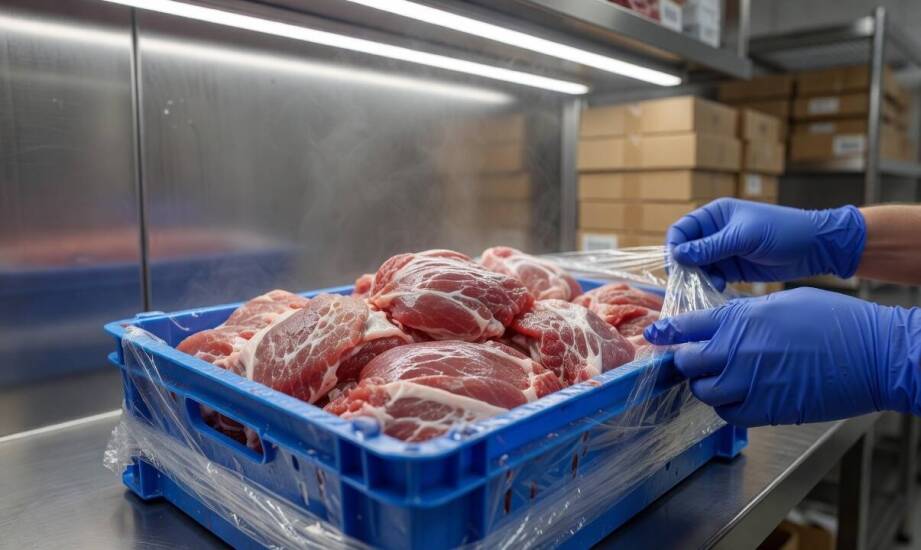
Preparing a batch of pork products for long-distance sea transport requires precision, as the export process begins long before the goods are loaded into a shipping container. Proper handling of this sensitive raw material determines whether it will retain its original quality characteristics throughout a journey covering thousands of kilometres.
Read more: Modern Features in Commercial Coffee Roaster Machine
The complexity of international supply chains means that even minor mistakes during cutting, chilling, freezing, or packaging can affect final commercial acceptance. Buyers in overseas markets routinely verify every shipment against detailed product specifications, making thorough preparation essential. A well-planned process extends beyond physical meat processing and also includes accurate documentation and traceability management.
Read more: How do wholesale purchases of fruits and vegetables affect the quality of dishes in restaurants?
Raw Material Characteristics That Influence Quality During Long-Distance Transport
Pork cheeks contain significant amounts of collagen and intramuscular fat, giving them distinctive processing and culinary characteristics. This tissue structure requires proper temperature control throughout storage and transportation.
One of the factors affecting meat quality is the post-slaughter pH decline, which influences water-holding capacity and overall product performance. Careful trimming, removal of excess loose fat, and assessment of tissue integrity help reduce the risk of quality deterioration.
Rapid and uniform chilling of products such as pork cheeks immediately after cutting contributes to maintaining product quality by limiting microbial growth and supporting shelf life.
Importers in Asian and African markets often prefer frozen products for long sea routes. Maintaining temperatures of -18°C or below is widely used in frozen food logistics to support product safety and quality during transport. Chilled products may also be shipped when logistics systems can reliably maintain temperatures typically ranging from 0°C to 4°C and when customers require raw material intended for immediate processing.
The chosen preservation method directly affects export planning. Frozen products require sufficient time for safe core-temperature reduction, while chilled products must move through tightly controlled distribution timelines to remain within their intended shelf-life parameters.
Packaging, Batch Identification and Documentation Consistency
Effective physical protection during transport depends on both the packaging system and the barrier materials used.
Uniform carton weights and clearly visible batch identification facilitate efficient inspection and unloading procedures at destination terminals. Vacuum packaging and modified atmosphere packaging (MAP) technologies are frequently used to help minimise oxidation and preserve product quality.
Labels applied to export cartons typically include:
Product name
Batch number
Net weight
Production date
Country of origin
Storage conditions
Additional identifiers required by the importing market
A transparent labelling system helps reduce warehouse errors and accelerates cargo acceptance by overseas buyers.
Michna Meat supplies pork by-products and pork cuts for international B2B customers, adapting product specifications and packaging requirements to the expectations of individual trading partners.
The Role of Veterinary Documentation in Export Approval
Physical product preparation is only one aspect of export readiness. Quality and sanitary documentation must accurately reflect the contents of the shipment.
Veterinary health certificates primarily confirm compliance with the import requirements of the destination country. These requirements can vary significantly depending on applicable regulations and bilateral trade arrangements.
Depending on the export market, documentation may include declarations concerning animal health status, laboratory testing, or other regulatory requirements. Such requirements are not universal and should always be verified according to the target destination.
Container reference numbers and customs seal identifiers listed in official documentation should correspond exactly with shipping and export records. The declared product description should accurately reflect the product type, preservation method, and key characteristics. Any discrepancies may result in additional inspections, delays, or requests for clarification during customs clearance.
Why Export Acceptance Depends on Early-Stage Preparation
Long-distance pork export relies on close alignment between product specifications and the requirements of the destination market.
Precise trimming, suitable chilling or freezing methods, and complete documentation work together to support a successful transaction. Final acceptance by overseas buyers is often the direct result of attention to detail maintained throughout the production, packaging, and documentation processes.
Ultimately, the commercial value of exported pork products depends on consistent quality, compliance with customer specifications, proper cold-chain management, and accurate documentation from origin to destination.
FAQ
Why is proper preparation of pork cheeks so important for long-distance export?
Because products transported through international supply chains over extended periods must maintain their quality parameters, microbiological safety, and compliance with customer specifications. Errors during cutting, chilling, or packaging can result in claims or shipment rejection.
Which pork cheek characteristics are most important to international buyers?
Buyers commonly assess trimming quality, product uniformity, fat content, colour, tissue integrity, and compliance with agreed commercial specifications.
Why is rapid chilling after cutting important?
Prompt temperature reduction helps limit microbial growth and supports the preservation of desired quality characteristics. It also contributes to product stability during storage and transport.
Are pork cheeks exported frozen or chilled?
Both formats are available in international trade. However, frozen products are generally preferred for long-distance transport because they offer greater logistical flexibility and help maintain quality over extended shipment periods.
What temperature is typically used for transporting frozen pork products?
International frozen pork shipments are commonly stored and transported at approximately -18°C or below, depending on customer requirements and applicable standards for frozen food products.
What information should appear on export labels?
Export labels typically include the product name, batch number, net weight, production date, country of origin, storage conditions, and any additional identifiers required by the destination market.
Why are veterinary certificates important in meat exports?
They confirm compliance with veterinary and sanitary requirements applicable in the importing country. The exact documentation required varies according to export destination and trade regulations.
What most often determines shipment acceptance by a foreign buyer?
The most important factors are compliance with agreed specifications, proper storage temperature, complete documentation, accurate labelling, and uninterrupted cold-chain integrity throughout transport.
You might be interested

How Does the Shape of a Breakfast Plate Affect Order and Comfort at the Table?
What to consider when choosing a grain silo?

How Does the Whistleblower Protection Law in Poland Protect Employees?
